
TORAJA
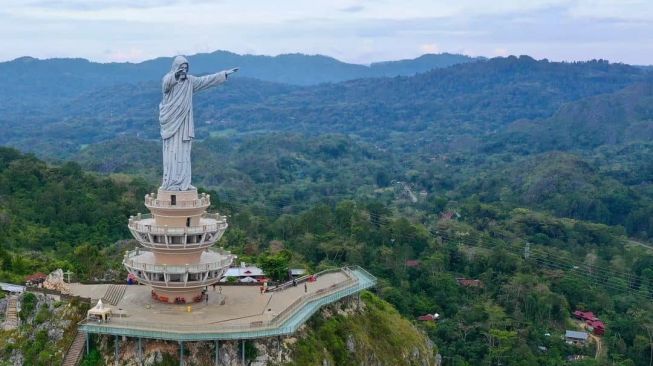
A Journey Through Ancient Traditions and Highland Beauty
Welcome to Toraja, a mystical highland region in South Sulawesi where dramatic mountain landscapes meet one of the most fascinating living cultures in the world.
Famous for its unique architecture, elaborate funeral ceremonies, and deep spiritual traditions, Toraja offers travelers an experience that is both visually stunning and culturally profound. Here, life, death, and ancestry are woven together in ways that continue to shape daily life.

Rantepao: The Cultural Gateway to Toraja
Your journey begins in Rantepao, the main town and cultural center of the Toraja region. Surrounded by green hills and rice fields, Rantepao serves as the starting point for exploring traditional villages and sacred sites.
In and around Rantepao, visitors can:
● visit local markets filled with coffee, spices, and handicrafts
● see traditional houses and rice barns decorated with intricate carvings
● learn about Torajan beliefs and social structure
● experience the cool, refreshing mountain air
Rantepao is where modern life and ancient traditions meet, offering the perfect introduction to Torajan culture.
Tongkonan Houses: Symbols of Ancestry and Identity
One of the most iconic sights in Toraja is the Tongkonan, the traditional ancestral house with its distinctive boat-shaped roof.
More than just homes, Tongkonan represent family lineage, status, and connection to ancestors. The houses are richly decorated with red, black, and yellow carvings, each pattern carrying symbolic meaning.
In traditional villages like Kete Kesu and Palawa, you can:
● admire rows of beautifully preserved Tongkonan houses
● see ancient rice barns standing opposite family homes
● learn the meaning behind intricate wood carvings
● explore villages that have stood for generations
These architectural masterpieces are a living reflection of Toraja’s heritage.
Cliff Graves and Hanging Tombs: A Unique View of the Afterlife
Toraja is internationally known for its extraordinary burial traditions. Rather than burying their dead in the ground, Torajans often place tombs in cliffs, caves, or hanging graves on rock walls.
At sites like Londa and Lemo, visitors can witness wooden effigies called Tau Tau standing on balconies carved into stone cliffs, representing those who have passed away.
Here you may:
● explore ancient burial caves filled with coffins and relics
● see Tau Tau statues guarding the resting places of ancestors
● learn about Torajan beliefs regarding the afterlife
● understand how death is seen as a continuation of life’s journey
These sacred sites are powerful cultural landmarks that offer insight into Toraja’s spiritual worldview.
Rambu Solo: The Elaborate Funeral Ceremony
In Toraja, funerals are not moments of sorrow alone — they are major social and spiritual events known as Rambu Solo ceremonies.
These ceremonies can last for days and involve the entire community. Families may spend years preparing for them, as they are believed to help guide the soul to the afterlife.
During a Rambu Solo ceremony, visitors might witness:
● traditional dances and ceremonial music
● gatherings of extended family from across the region
● ritual buffalo and pig offerings as symbols of respect
● elaborate processions honoring the deceased
While deeply sacred, these ceremonies also reflect the strong bonds of family, respect, and tradition that define Torajan life.
Batutumonga: Highland Views and Natural Serenity
Beyond its cultural wonders, Toraja also offers breathtaking natural beauty. Batutumonga, a highland area above Rantepao, provides sweeping views of valleys, rice terraces, and mist-covered mountains.
Here you can:
● enjoy panoramic sunrise views over green valleys
● walk through peaceful mountain villages
● explore rice fields and coffee plantations
● experience the quiet charm of rural Toraja life
Batutumonga adds a tranquil and scenic dimension to the cultural richness of the region.